
 DE
DE 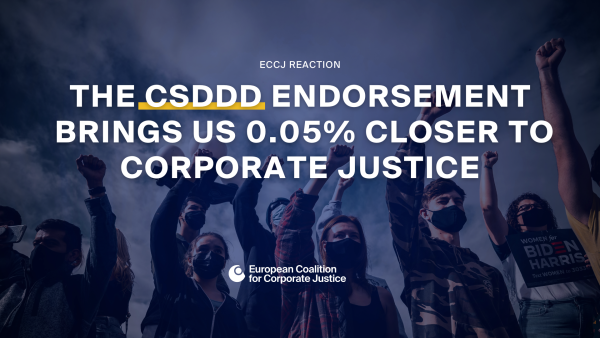
Following months of heated debate, intense lobbying, and its earlier refusal to back the Corporate Sustainability Due Diligence Directive (CSDDD), the EU has now changed its course and supported it.
The CSDDD is a European Union directive aimed at enhancing the protection of the environment and human rights both within the EU and globally. It sets obligations for companies to address actual and potential adverse impacts on human rights and the environment, including those related to their own operations, their subsidiaries, and – most importantly – their suppliers. In its original form, CSDDD meant that businesses larger than 500 employees (250 employees for high-risk industries) and with a turnover of more than EUR 150 million, would fall under the CSDDD scope.
The CSDDD was criticized for potentially stifling businesses with bureaucracy as well as unintentionally affecting smaller businesses due to the focus on supply chain.
Last week, the scope of the directive has been narrowed significantly, and will now only cover businesses with over 1000 employees and turnover of EUR 450 million or over. The European Coalition for Corporate Justice (ECCJ) estimates that, while the original draft would have covered 16,000 companies, the current draft covers less than 5,500. The directive will also no longer have a lower employee threshold for high-risk industries. Thus, reducing the initially agreed scope by 70%. ECCJ states additionally: “Disappointingly, the CSDDD will now only apply to roughly 0.05% of EU companies and business activities that typically bear risks for the environment and human rights”.
Once confirmed, companies under CSDDD will have a certain period to comply, depending on their size and turnover.
Variations are as follows:
5,000+ employees and turnover of € 1.5 billion – three years to comply.
3,000+ employees and turnover of € 900 million – four years to comply.
1,000+ employees and turnover of € 450 million – five years to comply.
The new draft also contained additional changes such as narrowing the definition of supply chains, with businesses only needing to conduct due diligence on businesses they have a direct contractual business relationship.
After the Council’s backing the CSDDD still needs to be approved by the European Parliament, which is expected in April 2024 – and the outcome remains uncertain.

